Dear Military History subscriber,
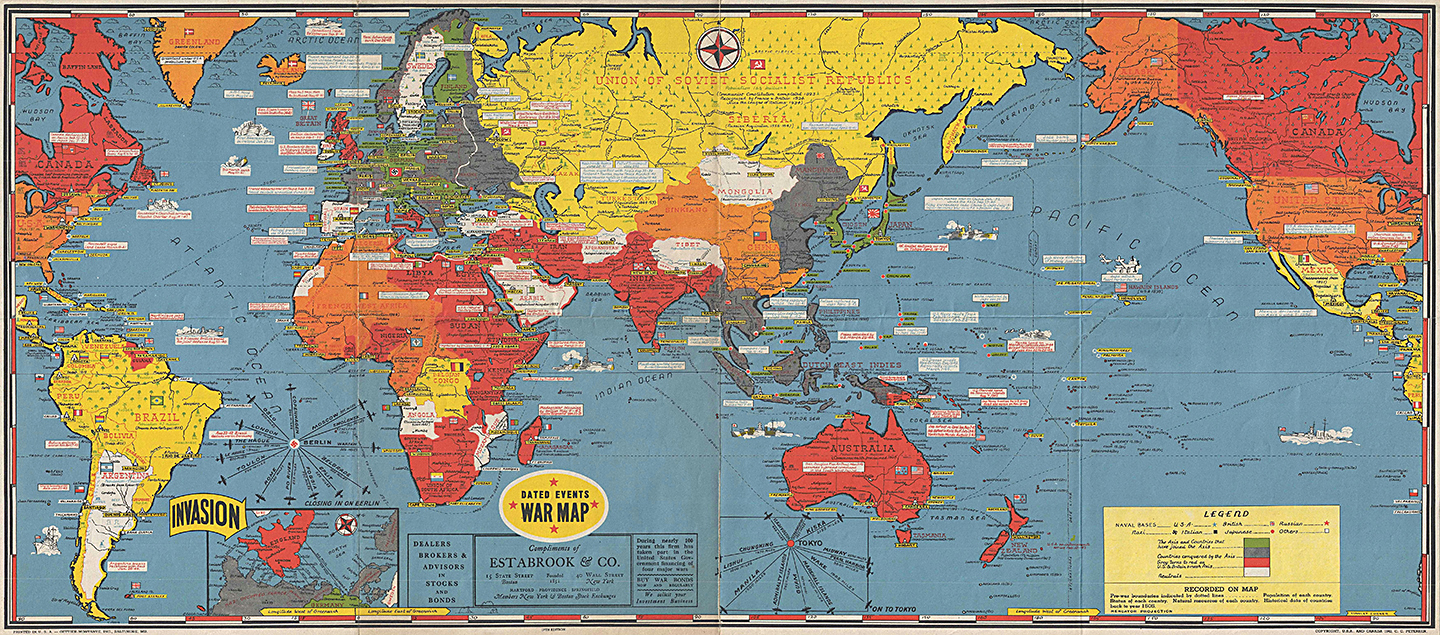
Are you as fascinated as we are with the sweep of military history? Not just the chronology of war, which dates from the first stone or spear thrown in anger, but the geography of war, which spans all continents, including operations in Antarctica, albeit of a noncombat origin. Stories in the forthcoming Spring 2023 issue range from the 13th century to a drone strike in 2020 and from Cuba north to Canada and the Marquesas west to Monte Cassino. The fact is military history is world history, as virtually all transformative events across the millennia around the globe have pivoted on conflict. Sad but true.
|
Former fields of conflict likewise span the globe. Many are preserved as they appeared at the time of battle. Others have been restored to their wartime appearance and enhanced with visitor centers, museums and the like. Some, like Gettysburg, Pearl Harbor and Waterloo, attract hundreds of thousands of annual visitors. Consider our gallery of the world’s most visit-worthy battlefields in the Winter 2024 issue, the digital version of which is live on Zinio.
One battlefield you won’t find on the list spans the globe and has been in contention for more than a half century. It offers no visitor centers — at least for the general public — and the admission fee is off-limits to all but the wealthiest of nations or individuals. It remains under continual surveillance, though whether anyone has been able to stage weapons on the field remains an open question. To date, 19 individuals have died while transiting it, though none in combat. Nearly 200 others have given their lives in the effort to claim the field for their respective countries.
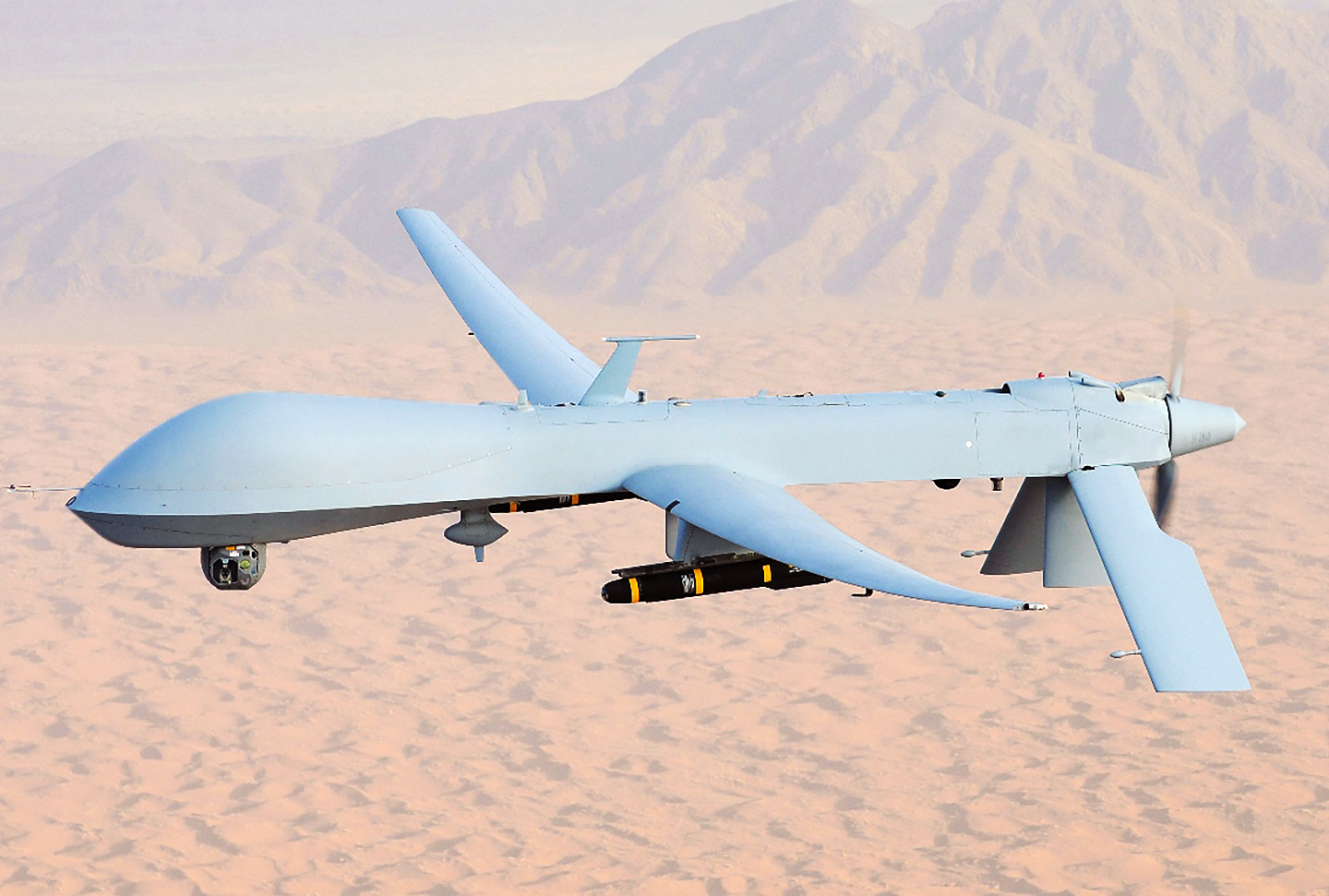
I’m talking about outer space — specifically, low Earth orbit, that zone of space within 1,200 miles of the planet’s surface. Today, more than 100 nations have at least one satellite in low Earth orbit, scores of which are employed in either espionage or combat operations, the latter type as location finders or communications links between remote-control war machines and operators stationed halfway around the world. In the forthcoming Spring 2024 issue contributor Paul X. Rutz will explore the history of satellite warfare, from the earliest eyes in the sky to present-day networks that enable remotely piloted military drones to rain down literal hellfire from above. |
Photo: U.S. Air Force / Lt. Col. Leslie Pratt |
More than a century ago, science fiction writer H.G. Wells envisioned a War of the Worlds, his popular novel relating a conflict between extraterrestrial invaders and humankind. Among others intrigued by the work was young American Robert H. Goddard, whose work on liquid-fueled and multistage rockets, ironically, helped make possible the intercontinental ballistic missiles of today that drive widespread fear of another world war, one with far more dire consequences. If that happens, to quote Hoagy Carmichael’s character Butch from the 1946 war film Best Years of Our Lives, “None of us have to worry, because we’ll all be blown to bits the first day. So cheer up, huh?”
In the meantime, keep the lines of communication open here on the ground. Write us at MilitaryHistory@historynet.com, and we’ll share your thoughts with fellow readers in a forthcoming issue. — David Lauterborn, Editor |
|
|
Long before the advent of satellites able to track individual soldiers from space, even before the introduction of planes fitted with cameras able to capture static photographs of the landscape, commanders sought a means of placing eyes in the sky to observe a battlefield at a glance like a map, rather than piecing together possibly conflicting reports from frontline officers and scouts. At the Battle of Fleurus in 1794 the French army realized that ambition.
By 1794, the French Republic, having pushed back invasions from a coalition of European powers in the wake of the French Revolution, found itself on the offensive in the Austrian Netherlands. Earlier that year, in keeping with their revolutionary scientific spirit, the French had organized the Compagnie d'aérostiers, or Aerostatic Corps. Led not by a soldier but by chemist Jean-Marie-Joseph Coutelle, the corps faced its first test on June 26 at the Dutch town of Fleurus.
To gain an edge, Coutelle brought the corps’ only balloon, l’Entreprenant (“The Enterprising One”), and positioned it on a hill overlooking the battlefield. Aloft for the entire nine-hour clash, the balloon operators made detailed notes of coalition troop movements and either signaled intelligence to the ground in semaphore or simply dropped their notes from the basket. Its operators and L’Entreprenant, the first balloon used for military purposes, survived the battle.
Observers disagreed on the balloon’s usefulness, with reactions ranging from mild approval to scorn and disdain. The commander of the French army at the battle, General Jean-Baptiste Jourdan, didn’t even mention it in his memoirs. Regardless, military ballooning gained steady popularity in the century to follow, featuring prominently in the U.S. Civil War, the Franco-Prussian War and World War I. Indeed, despite the advances of space-age technology, some nations still use balloons to gather intelligence—and are still mocked for it, too.
Photo: Anne S.K. Brown Military Collection, Brown University |
|
|
Tony Vaccaro carried a gun — and a camera. |
|
|
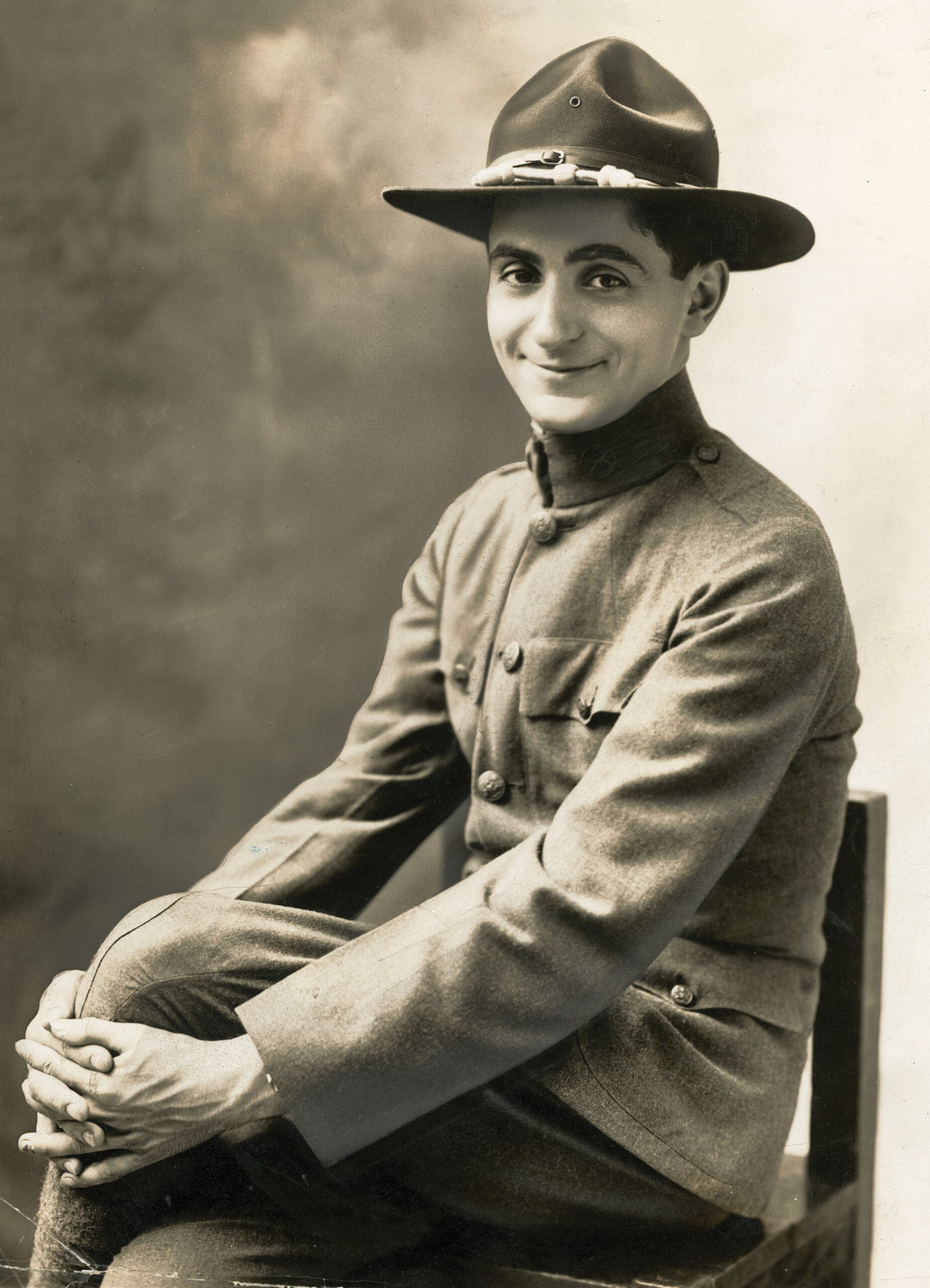
Irving Berlin’s World War I song “Oh! How I Hate to Get Up In The Morning,” is an enduring anthem. |
|
|
There was a time when U.S. helicopters were forbidden from rescuing wounded South Vietnamese soldiers. |
|
|
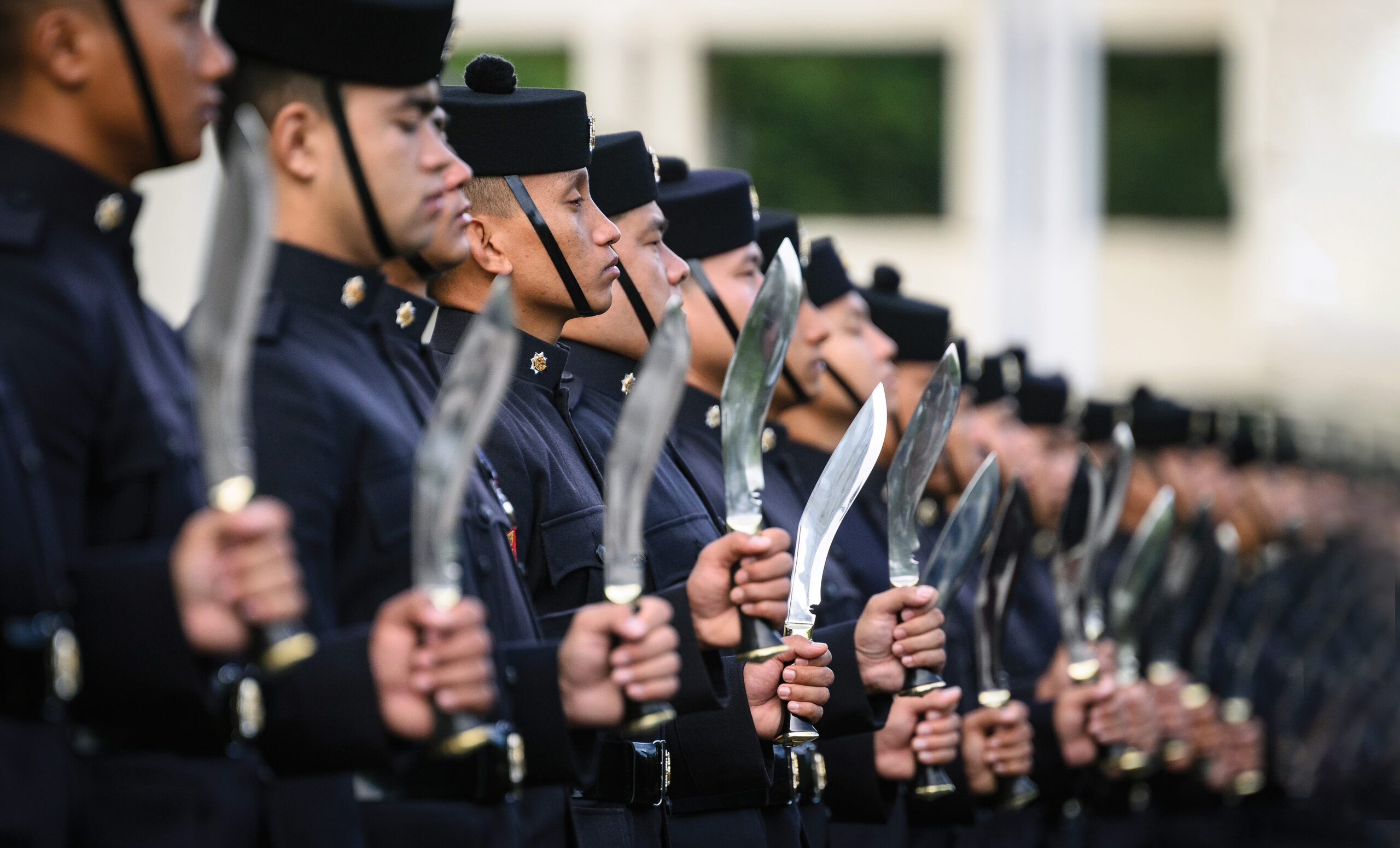
Armed with kukri knives, the Gurkha warriors have distinguished themselves in combat for hundreds of years. |
|
|
|