Howdy Wild West subscriber,
By the time you read this, my office chair will be spinning like a windmill on a Panhandle Plains ranch. For though your editor spends most of his working hours sitting still and delights in getting “paid to learn,” he, too, wearies of the daily grind. At those moments I need to hit the trail, and my favorite direction to wander is west.
For the past decade or so Dad and I have set aside time for an annual father-son trip. He and my brother have their own Eastern adventures, but the destinations for most of my trips with Dad have been in the wide-open West—the red-rock country of the Four Corners region, the geyser basins of Yellowstone, the purple mountain majesties of the Grand Tetons. Conveyances have ranged from rental cars and 4WD trucks to ski lifts, tour buses, boats and our own battered hiking boots. This month we’ll explore Alaska’s Inside Passage by ship, car, foot and floatplane.
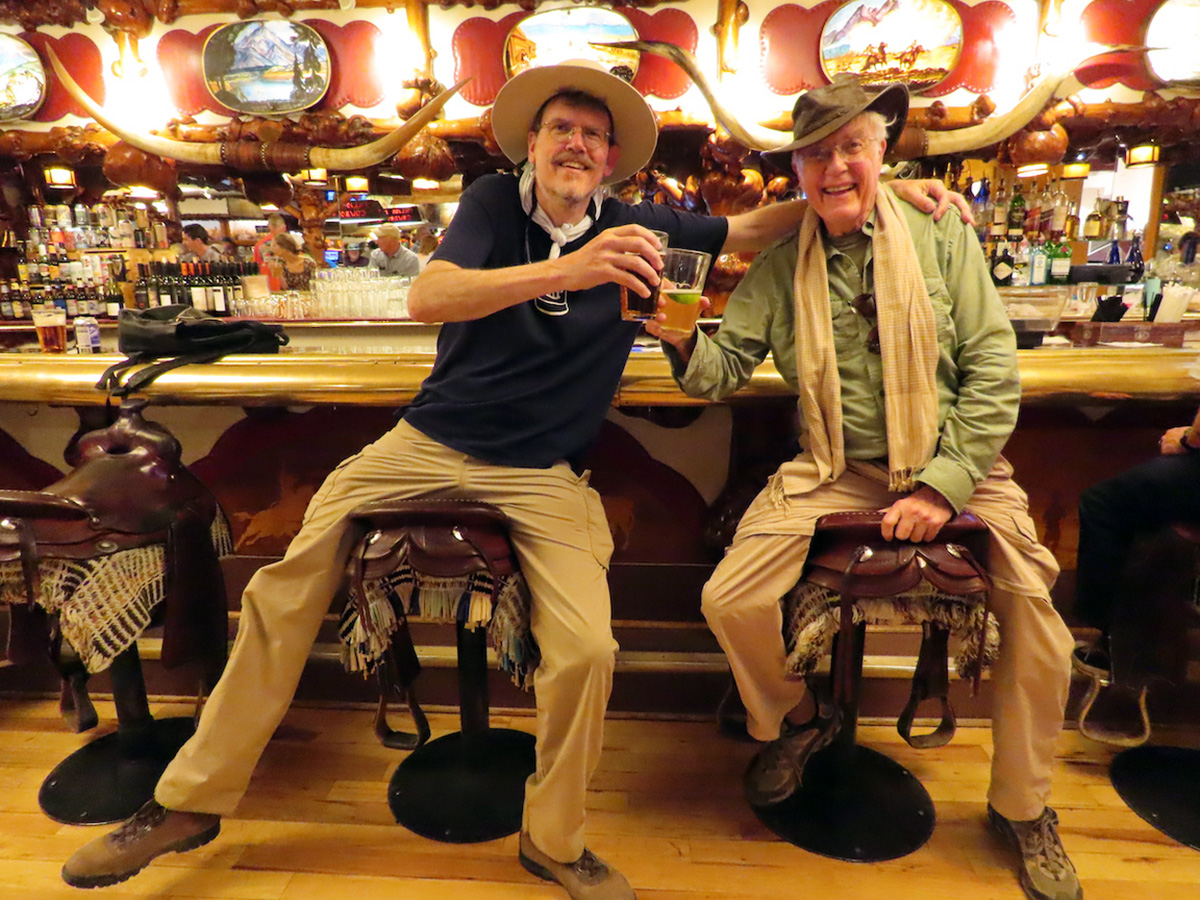
Historic sites are always on the itinerary — a sunstruck Anasazi ruin in Utah known as House on Fire, the barns of Mormon Row in Wyoming’s Jackson Hole, John Ford’s beloved Monument Valley, in northeast Arizona. Days from now we’ll drive the Klondike Highway from Skagway, Alaska, to Whitehorse, Yukon Territory, stopping en route at gold rush–era ruins. Given the German, Irish and Welsh branches of our family tree, we’ve been known to belly up to a Western bar afterward to cut the trail dust. The headshot in my editor’s column each issue is a crop of this favorite photo of us “saddled up” at the Million Dollar Cowboy Bar in Jackson, Wyoming:
|
As I mentioned in a past newsletter, for years I lived, worked and roamed the West as a travel writer-editor. Road trips with wife Jill spanned from the Mississippi to the Pacific, north to Canada and south to Mexico. Yet, despite the tens of thousands of miles logged, we’ve barely scratched the surface. To borrow a line from a favorite Western, “It’s a BIG country” — and we love to lose ourselves in it. The point of this latest mosey down memory lane isn’t to boast. Some of you live in spectacular places we’ve only been fortunate enough to visit. Others have traveled many more miles. A few of you are part- or full-time RVers and seldom let the dust settle on your tire flaps. We aspire to join you on the road someday.
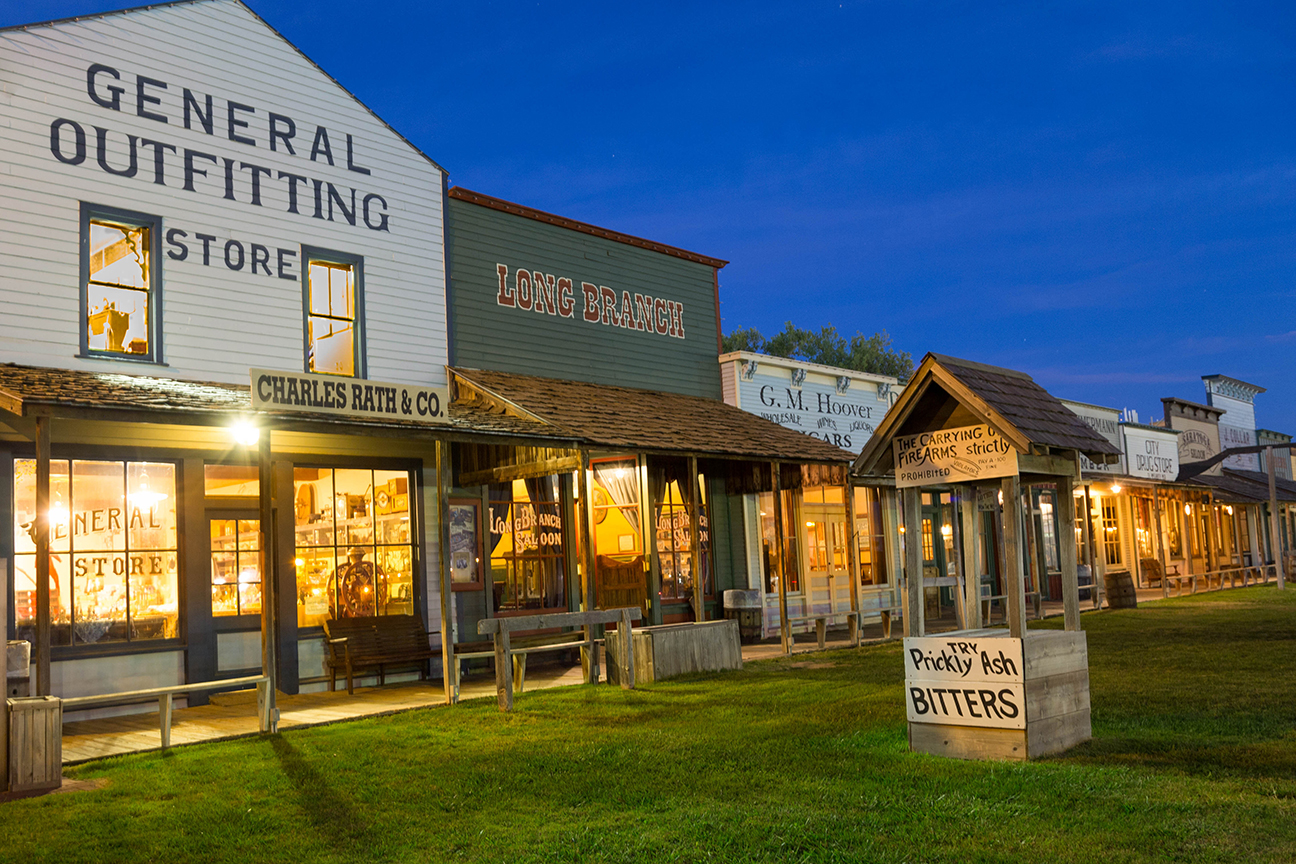
My real aim is to encourage you to get out there and visit the places our contributors write about each issue. Walk in the footsteps of the Earps and Doc Holliday down Allen and Fremont Streets in Tombstone. Stroll with the ghosts on Alamo Plaza some sultry San Antonio evening. Drive or section-hike any one of more than a dozen national historic trails out West. And, yes, saddle up at the Million Dollar or try a dash of Prickly Ash Bitters with your whiskey at the Boot Hill Distillery in Dodge City. You’ll find the latter watering hole around the corner from that old cow town’s Boot Hill Museum, as captured in this timeless image by photographer Josh Roesener:
|
|
|
To quote another favorite film line, “Don’t you get tired of just reading about things?” And when you arrive home, unpack the mules and develop your glass-plate negatives, share your stories and favorite scenes with us at WildWest@HistoryNet.com. We’ll publish them in a forthcoming Letters section to encourage others to go West. See you out there! — Dave Lauterborn, Editor Photos: Dave Lauterborn; Josh Roesener Photography |
|
|
A Monument to Defeat…and Victory |
It is a tale as familiar to Western history buffs today as it was to any American reading the headlines back in the summer of 1876. That June 25 Civil War hero George Armstrong Custer and 268 officers and troopers of his 7th U.S. Cavalry command rode to their deaths in battle against overwhelming numbers of Sioux and Cheyenne warriors on the Little Bighorn River in Montana Territory. Tapped out through telegraph lines snaking east, the news sent shockwaves across the nation, dulling ongoing celebrations of the nation’s centennial. The memorialization of the battlefield since has had a long and solemn history.
Two days after the battle surviving troopers were the first to find the bodies of their fellow cavalrymen, most stripped of their clothing, ritually mutilated and already beginning to decompose. After identifying them as best as they could, they buried the dead in place, leaving the bones of their horses to bleach in the sun.
Eerily, the only Indian corpses that remained on the field those of the Army’s Crow scouts, as the families and friends of fallen Sioux and Cheyenne warriors had already removed them from the field and taken them away for traditional burial. Many raised stone cairns to mark where they’d fallen.
A year later U.S. Army burial parties returned to recover, transport and reinter the remains of many officers, including Custer, who, widow Elizabeth ensured, was buried with honors at West Point.
In 1879 infantrymen again visited the site, tasked with creating a burial mound of human and equine bones on Last Stand Hill. Two years later troopers of the 2nd Cavalry erected a stout granite obelisk atop the hill in honor of the 7th Cavalry and pounded stakes into the ground to mark where the slain had fallen. In 1890 soldiers swapped out the stakes with white marble military markers inscribed with the names of the dead.
Those markers remain central to the present-day visitor experience, and in recent years they’ve been augmented by markers to their slain opponents.
The first such marker, in honor of Northern Cheyenne warrior Lame White Man, was dedicated in 1958, though it was made of wood. Not until Memorial Day 1999 did he and another dead warrior receive proper marble markers — red ones inscribed with both their original Cheyenne names and the English equivalents. Lame White Man is now memorialized properly as Ve’ho’enȯhnehe.
Administrators of Little Bighorn Battlefield National Monument continue to erect red marble markers at all confirmed sites where Sioux and Cheyenne warriors fell, and in 2003 officials dedicated the Indian Memorial, a bronze sculpture of three horsemen and a woman handing them a shield. As wounds have healed, the national monument has evolved into a shared space that honors the military service and intertwined destinies of American soldiers and Great Plains warriors alike.
Photo: Little Bighorn Battlefield National Monument, National Park Service |
|
|
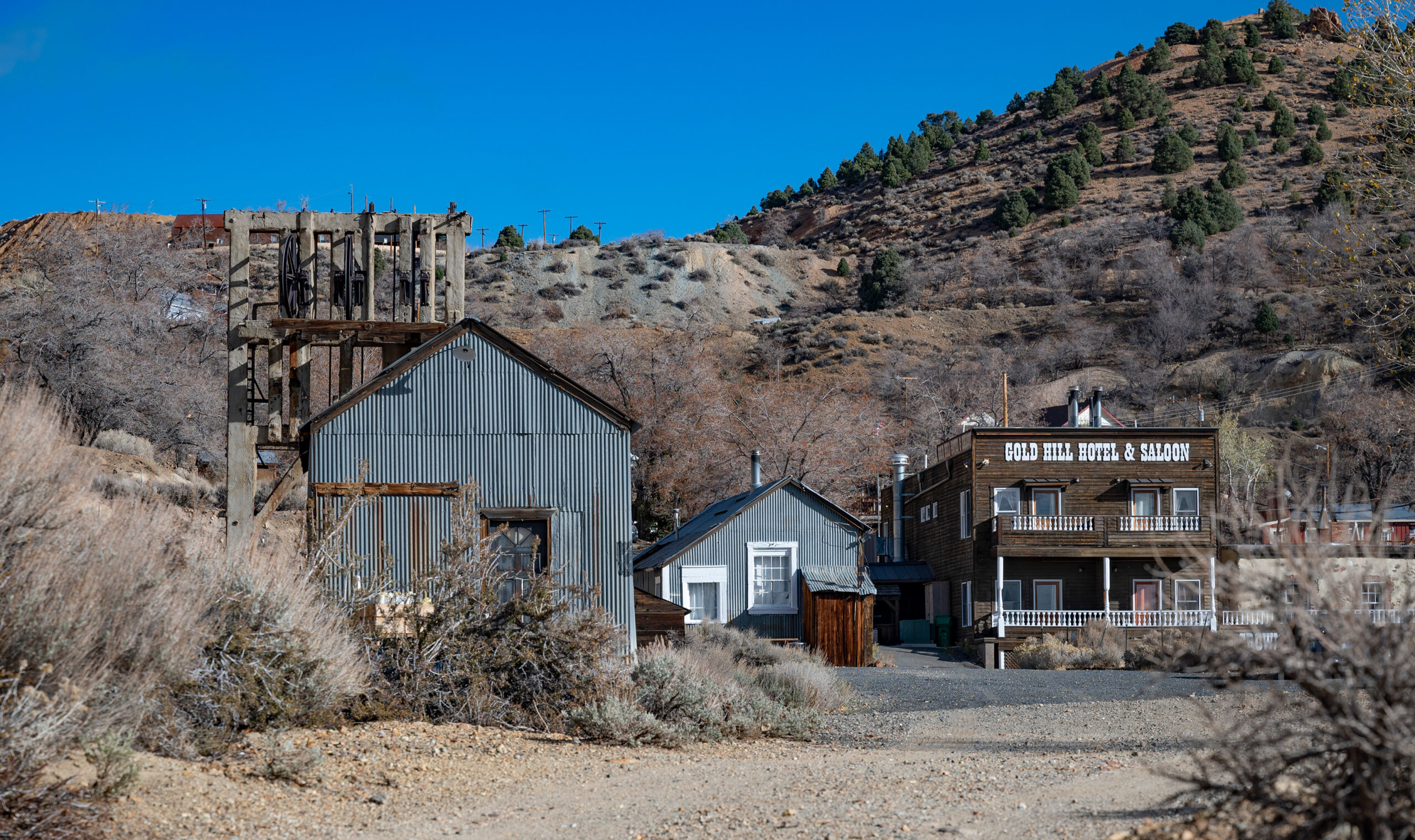
Named for an immense quartz outcrop laced with gold, Gold Hill actually profited more from silver ore. |
|
|
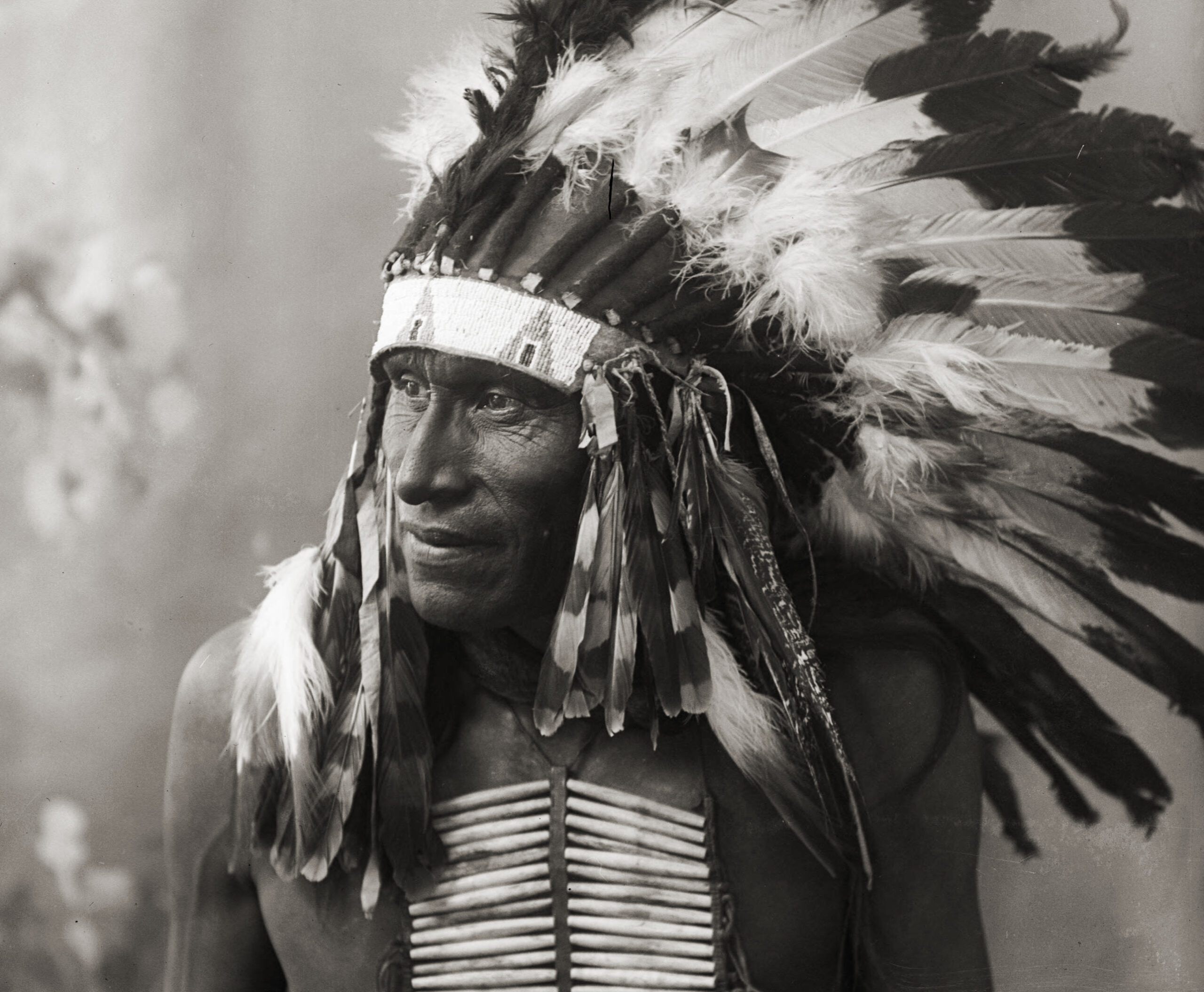
White Bull marked a decade-plus string of victories. |
|
|
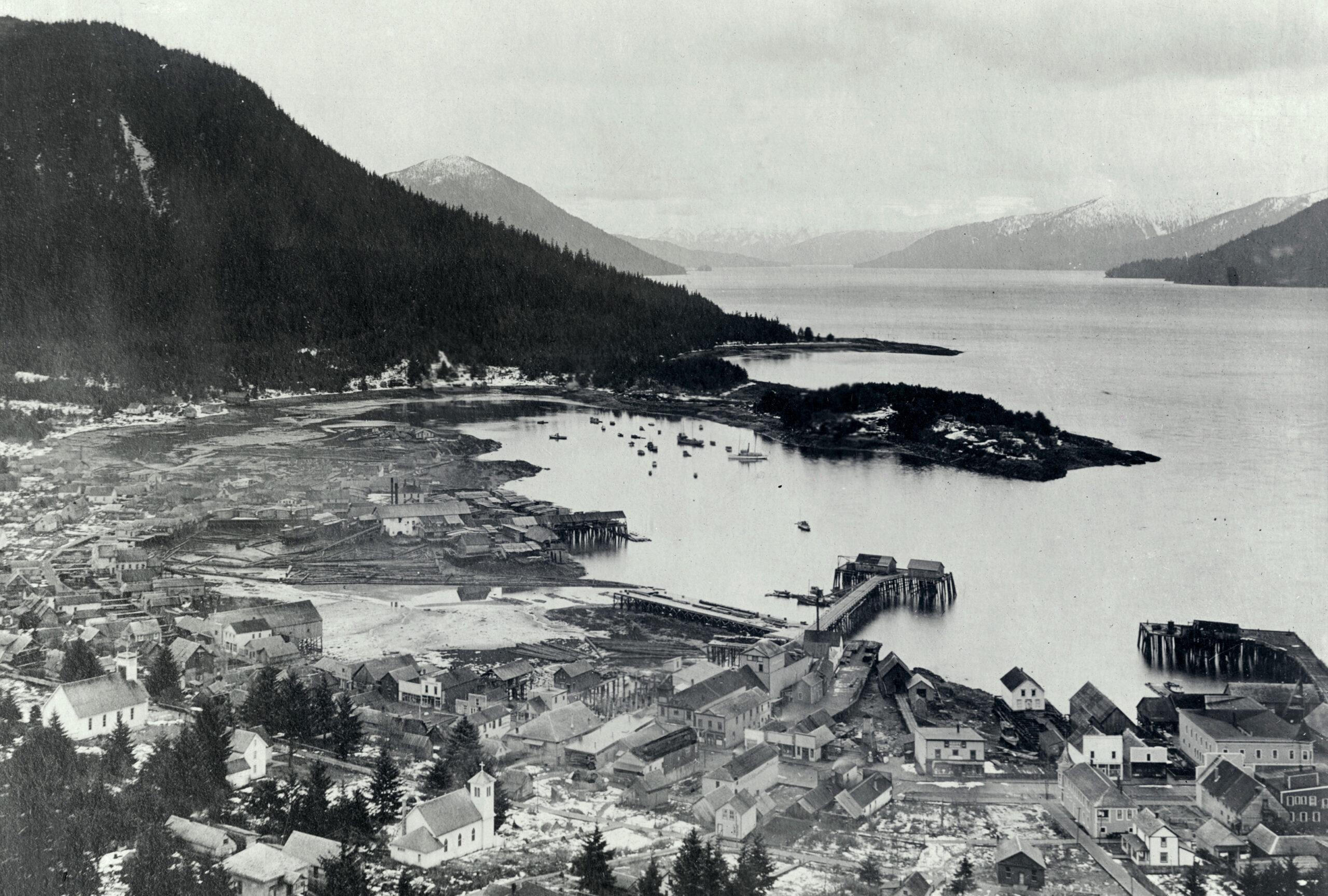
The legendary lawman’s key to survival in gold rush Alaska was to keep a low profile. |
|
|
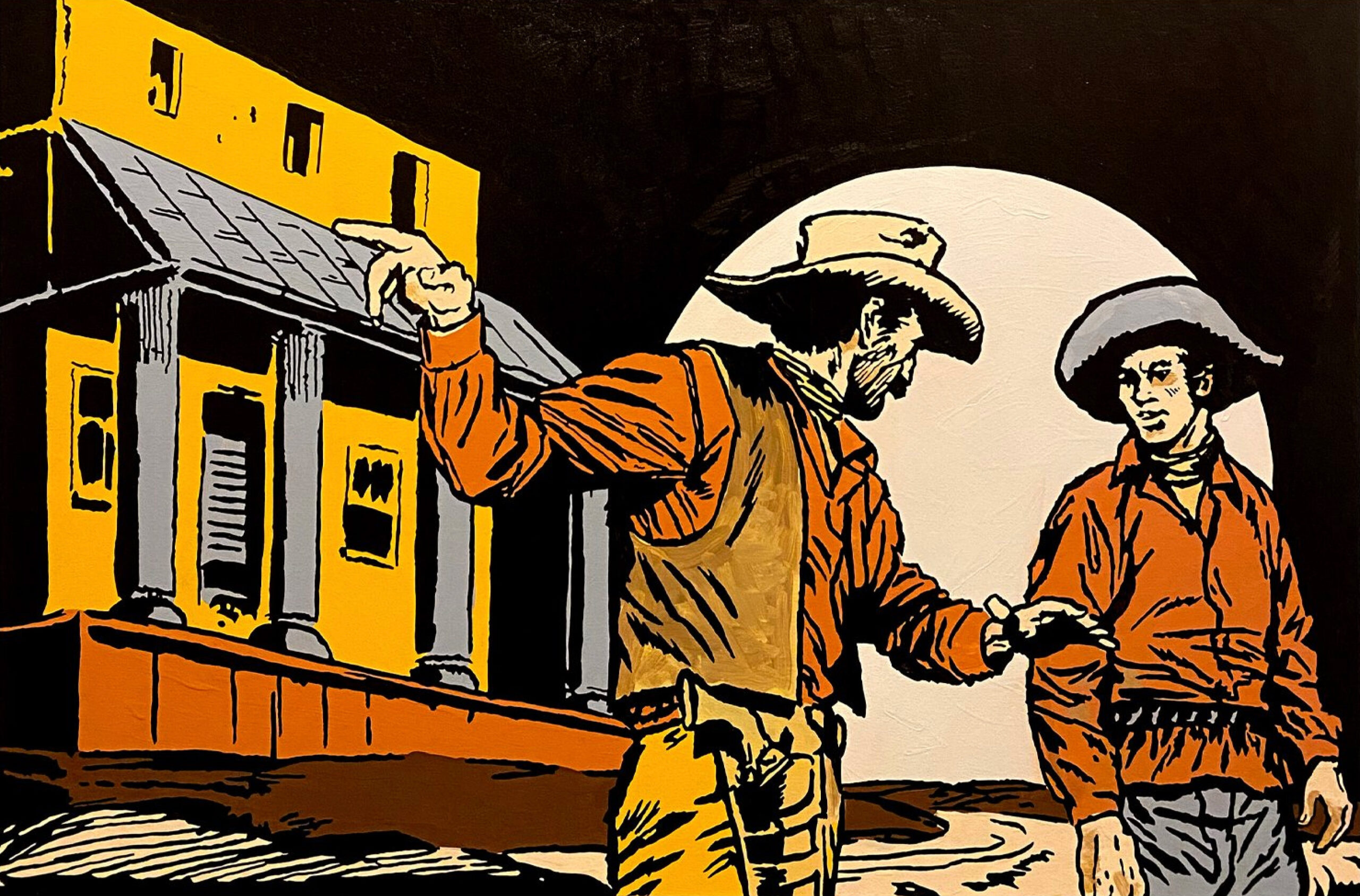
Artist Cyrus Walker explores the line between Western fact and fiction. |
|
|
|